
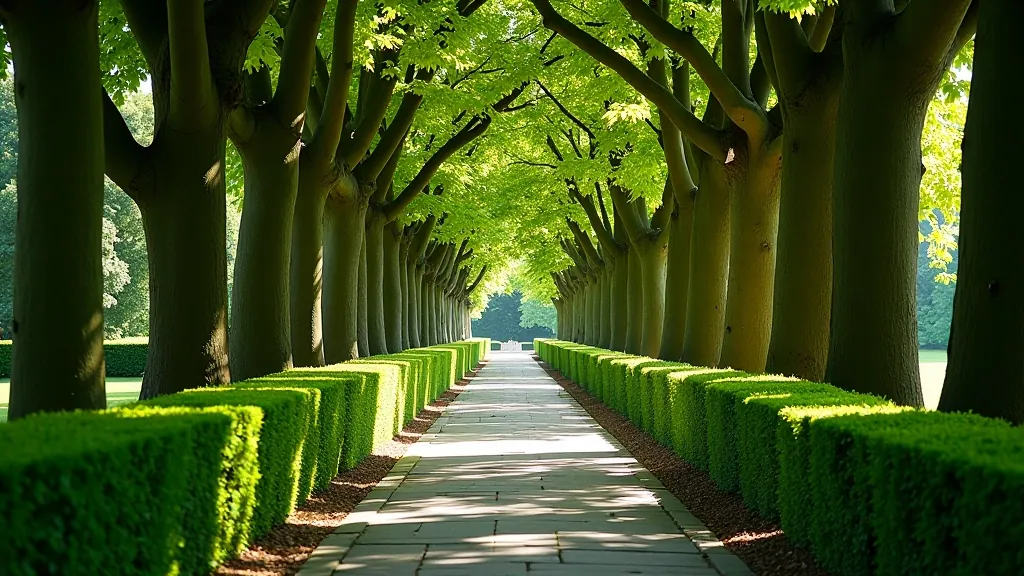
The Main Demesne Circuit — A Complete Guide
The most popular 2.5-kilometre loop through the heart of Birr Castle grounds, taking you past formal gardens and open meadows.
Read GuideShaded forest paths that offer shelter from sun and wind. Ideal when you want a peaceful walk without crowds or long exposure to open ground.
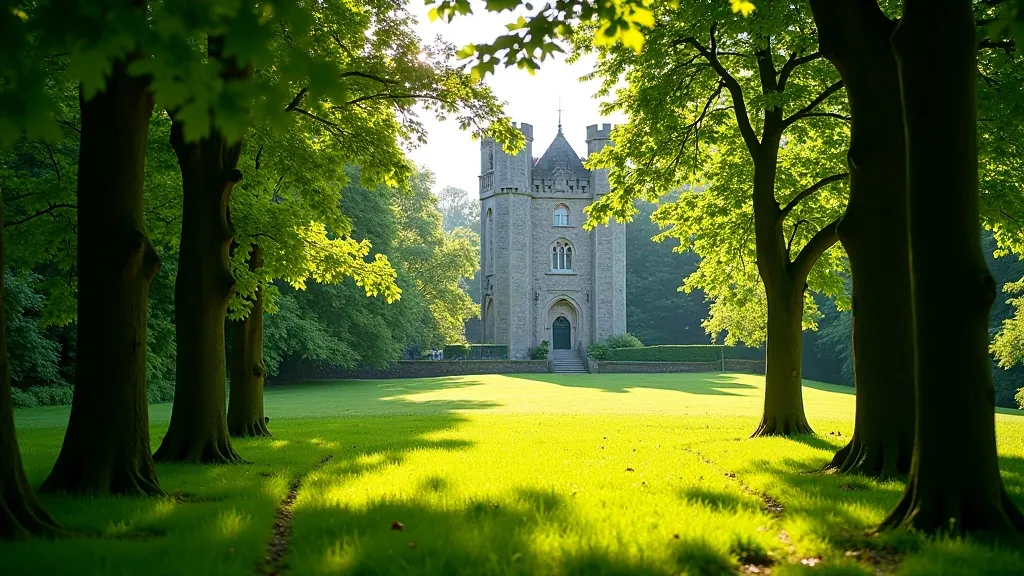
The Birr estate's woodland paths offer something special — natural shelter and a quieter experience. They're not the main tourist circuits. You won't find crowds here, just trees, birdsong, and a chance to walk at your own pace.
These routes work best on days when you're not in the mood for open ground. Too hot? The canopy keeps temperatures several degrees cooler. Wind bothering you? The trees break it completely. Feeling tired or wanting solitude? The woodland draws fewer visitors than the formal gardens.
Main woodland loops, ranging 1–2.5 km each
Shaded coverage on most trails
Quietest times to walk, fewer people
This is the easiest of the three woodland routes — 1.3 kilometres on mostly flat, well-maintained paths. It starts near the eastern gardens and winds deeper into the mature beech and oak forest. The path is wide enough that two people can walk comfortably side by side, and there's minimal elevation change.
You'll notice the temperature drops almost immediately once you enter the canopy. In summer, this trail stays 4–5 degrees cooler than the open grounds. There are three benches along the way — not positioned for views, but tucked into natural clearings where you can sit and just listen.
The walk takes about 25–30 minutes at a leisurely pace. Most people take longer because the forest invites stopping. You'll see squirrels, hear woodpeckers, and spot wildflowers in spring. It's not dramatic scenery — it's quiet scenery. That's the appeal.

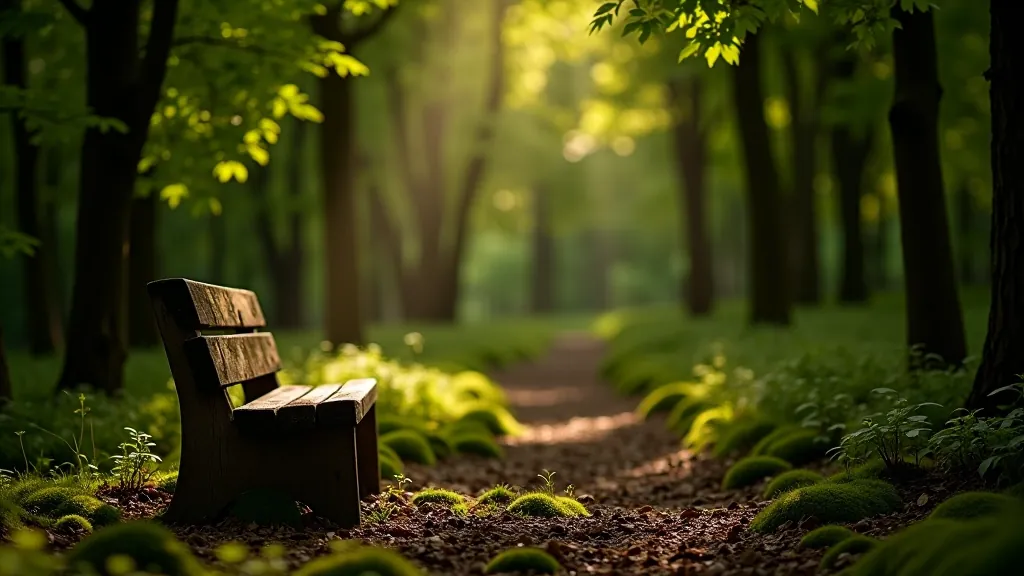
Woodland paths work best in spring and autumn. Spring brings birdsong and new growth — the forest feels alive. Autumn is equally good: cooler temperatures, no insects, and the forest's quieter before winter. Summer works too, but you'll share the estate with more visitors. Winter's possible, but the paths get muddy and the light fades by 4 pm.
The paths themselves are well-maintained. The estate keeps them clear of fallen branches and they're wide enough that you won't feel claustrophobic. Drainage is decent — even after rain, they don't become impassable. Your main concern is mud on your shoes, not safety.
These routes aren't strenuous, but you'll want the right kit. Good footwear matters — the paths are uneven in places and can be slippery after rain. Waterproof walking shoes or boots with ankle support are ideal. The canopy keeps you dry in light rain, but a compact umbrella doesn't hurt.
Bring water, especially in summer. The forest is cool, but you're still moving. A small backpack with snacks is sensible — there's nowhere to buy food once you're on the trails. Many people bring a lightweight jumper too. Even though the forest is shaded, it can feel cool under the canopy, and temperatures drop quickly as the sun sets.
A walking stick or poles aren't necessary on these trails, but they help if you've got joint concerns. The paths are solid — no scrambling or technical footing required. Most people just walk them with regular shoes and a good attitude.

This guide is informational and based on current estate conditions as of May 2026. Path conditions, accessibility, and facilities can change due to weather, maintenance work, or seasonal factors. Always check with Birr Castle directly before planning your visit. If you have specific mobility concerns or health conditions, consult with your doctor before undertaking any walking route. The estate operates seasonal opening hours — verify these before you go. Birr Castle is a working historic site; some areas may be restricted during private events.

Woodland paths aren't about reaching a destination or ticking off kilometres. They're about slowing down and noticing things — the quality of light through leaves, the smell after rain, the sound of the forest. These routes work because they remove distractions. No crowds, no noise, just you and the trees.
Start with the Shaded Loop if you're new to the estate's woodland. It's short enough to complete comfortably and long enough to feel like a proper walk. You'll understand why people return to these paths again and again. They're quieter for a reason — and that quietness is exactly what makes them special.
Ready to explore more routes?
Browse All Walking Guides