
Garden Guide
What to See by Season — Garden Changes Throughout the Year
The demesne transforms with each season. Spring brings flowers, autumn offers color, and winter reveals the garden's structure and architectural features.
The Garden Through Every Season
Walking through Birr Castle demesne isn't the same twice. Every season brings something completely different — new colors, new plants in bloom, different wildlife. That's what makes it so special for regular visitors. You're not seeing the same thing year after year.
The estate's 120 acres offer surprises throughout the year. Whether you're visiting in spring's explosion of color or winter's quiet, structured beauty, there's always something worth noticing. This guide walks you through what you'll actually encounter during each season, so you can plan visits when the garden's at its best.
Best Times to Visit
- Spring: March-May for peak flowering
- Summer: June-August for mature foliage
- Autumn: September-November for color change
- Winter: December-February for structure and quiet
Spring: Flowers and Fresh Growth
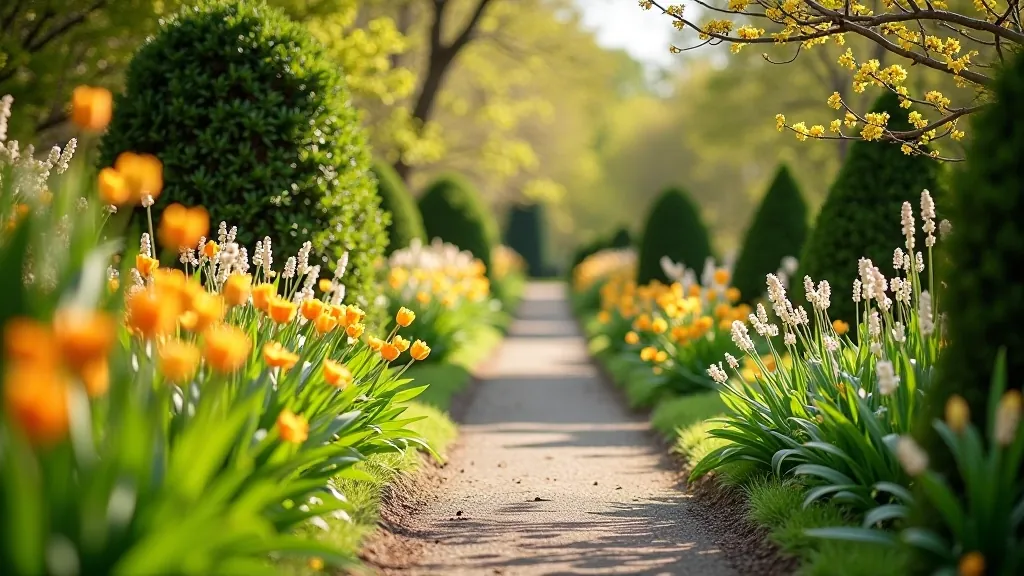
Spring at the demesne really is something. Starting in late March and running through May, you'll see thousands of bulbs breaking through. Crocuses come first — purple, yellow, white — scattered across the open lawns. They're not in tidy rows, just naturalized the way Victorian gardens used to do it.
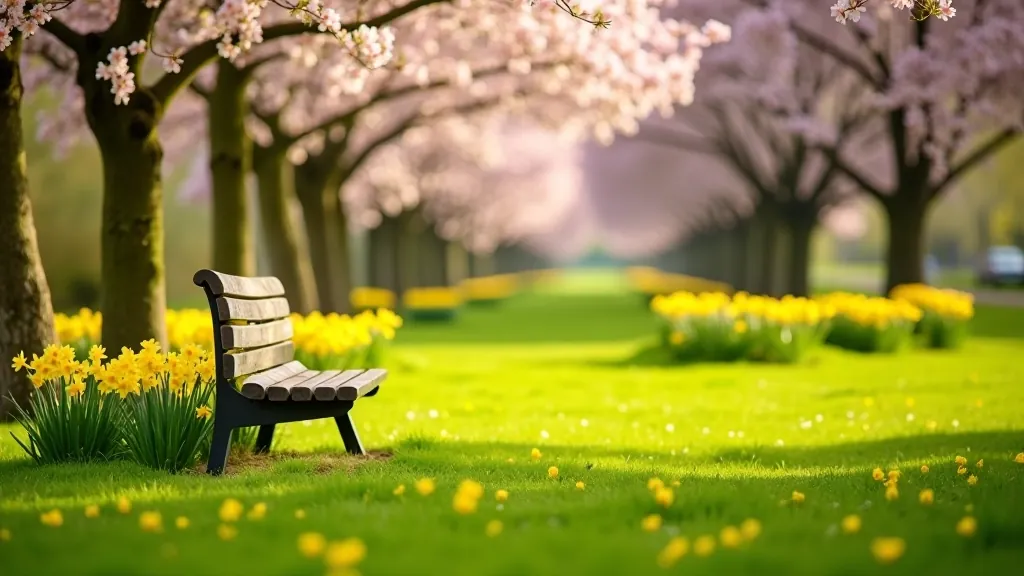
By April, daffodils dominate. There's a reason they call it the golden month. Walk the main circuit and you'll pass entire slopes of them. The smell alone is worth the visit. Mid-April brings the cherry trees into blossom. The ornamental varieties create these perfect pink clouds along the pathways.
By late April and May, the borders fill in properly. Tulips, forget-me-nots, primulas, and hellebores create the colorful beds that photographers love. The rhododendrons also flower in spring — there are specimens over 100 years old that still produce those huge blooms. Don't miss the walled garden area during this season. That's where the trained fruit trees flower and the protected beds really shine.
Summer: Green Abundance and Shade
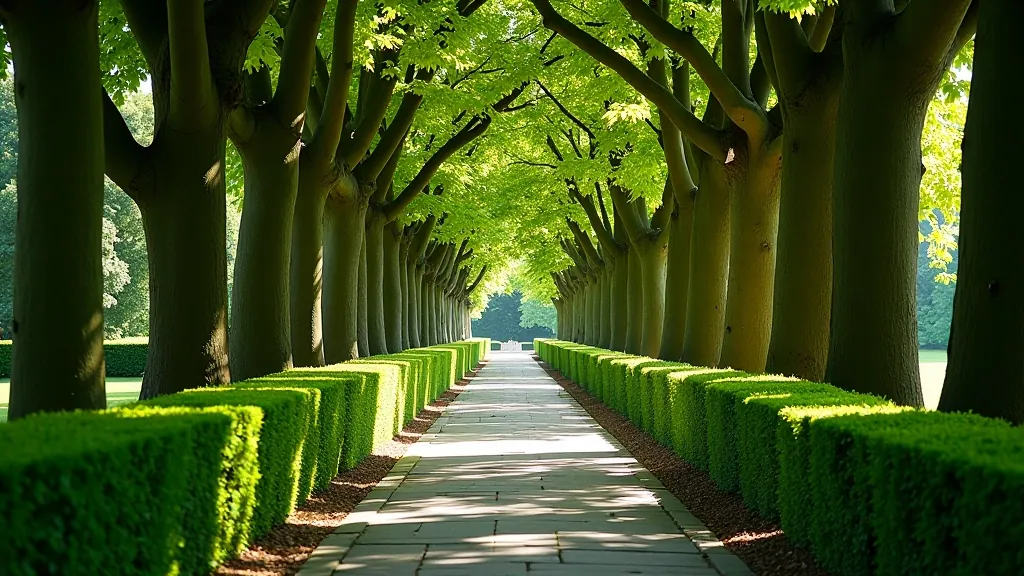
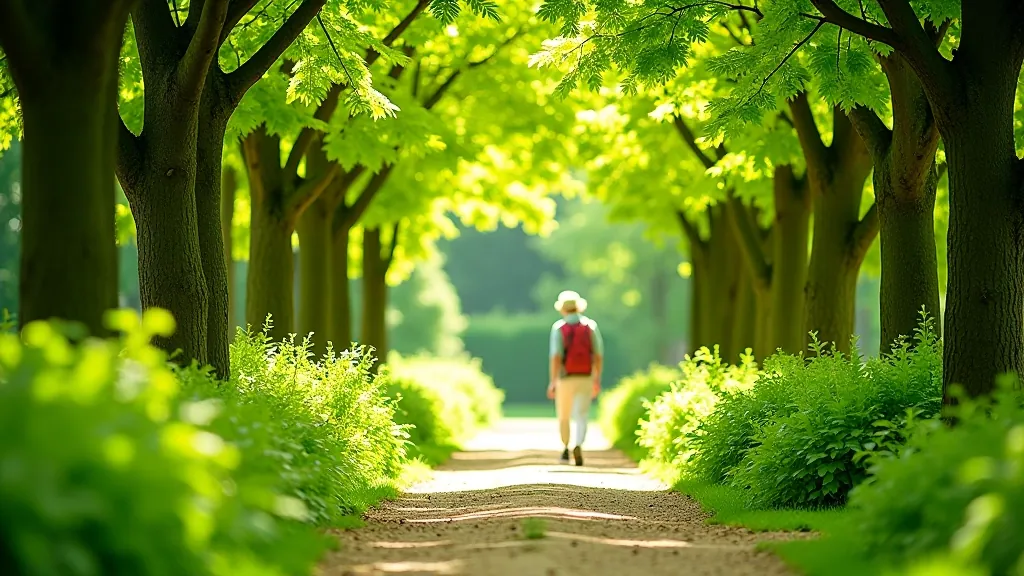
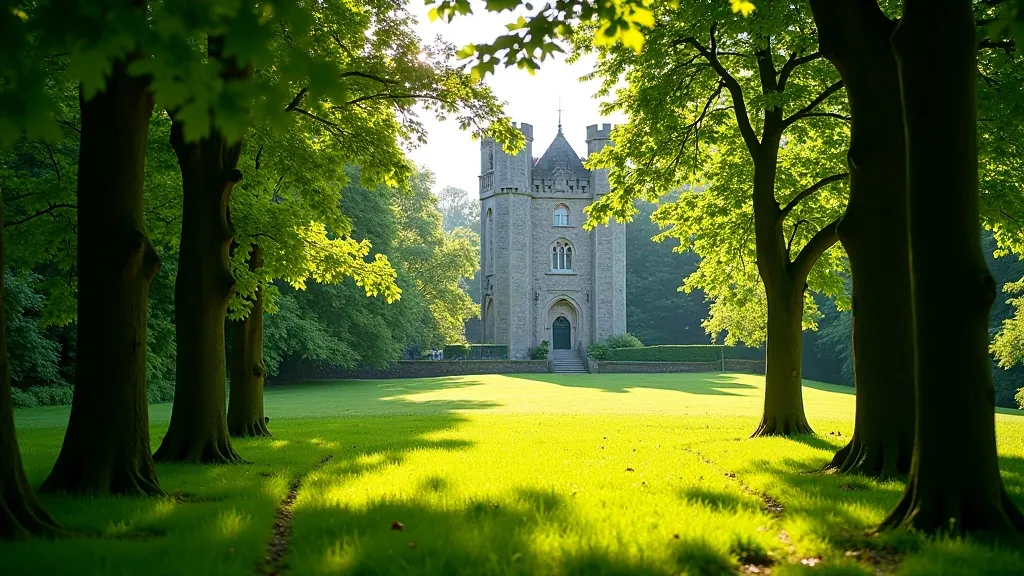
June, July, and August transform the demesne into a lush green world. Everything's fully leafed out. The place feels completely different from spring — less about individual flowers and more about structure and mature plantings. It's actually brilliant if you prefer quieter walks. The canopy's so thick that even on warm days, the pathways stay shaded and cool.
Summer flowers are different from spring. You'll see roses in the garden enclosures, hydrangeas starting to color up, and late-flowering perennials in the borders. The water features are at their fullest. The stream that runs through the demesne has proper flow, and if you find the pond areas, they're worth sitting beside. Water lilies float on them.
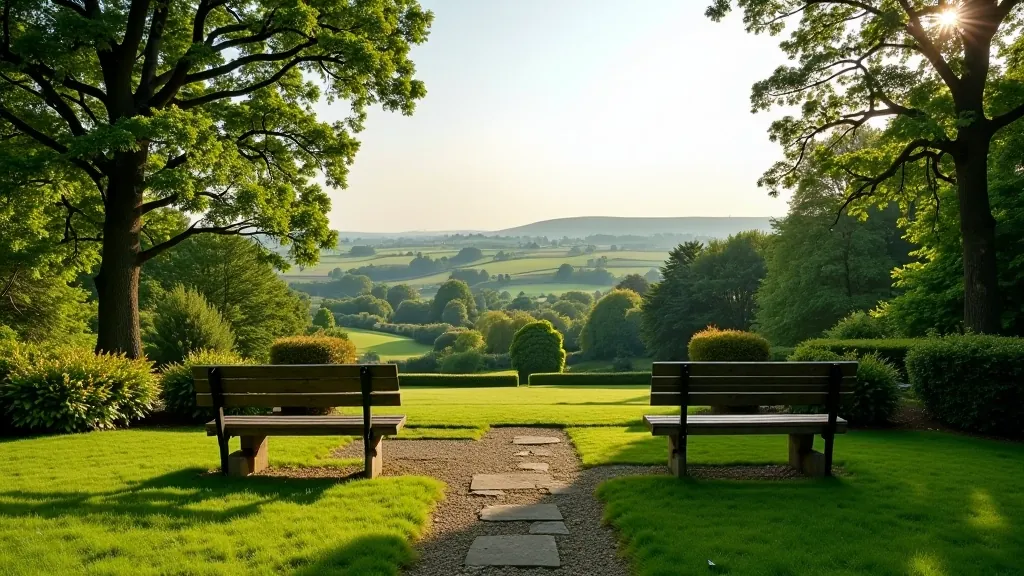
This is also when you'll notice the wildlife most. Birds are nesting, butterflies are on the flowers, and if you're lucky, you might spot deer in the early morning or late evening. The scent of cut grass and growing plants fills the air. Summer's the best season if you want to actually rest during your walk — plenty of benches in shaded spots, and it doesn't get dark until nearly 9 pm in late June.
Autumn: Color and Change
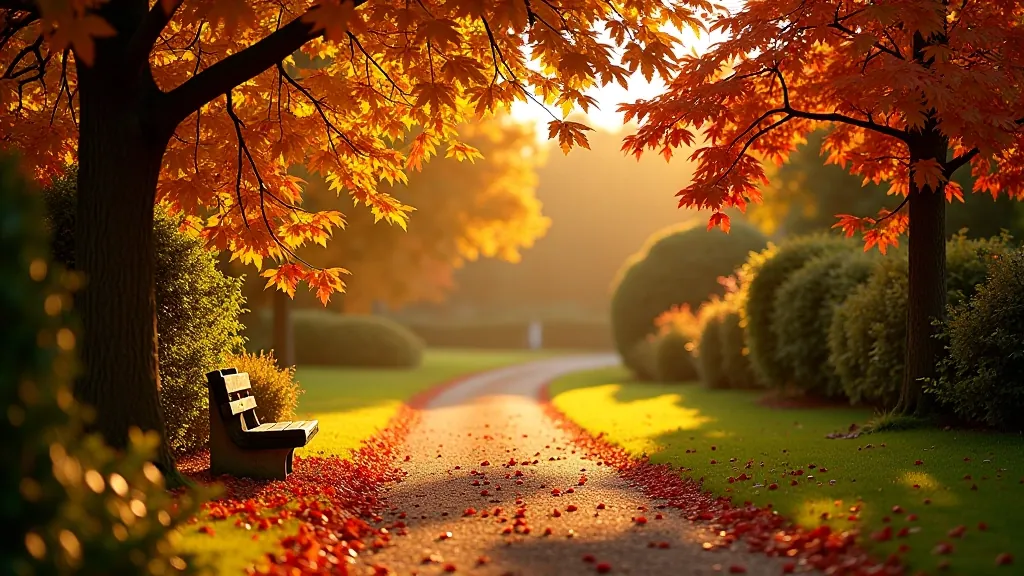
September through November is when the demesne becomes a painter's palette. The change happens gradually at first — a few trees starting to turn by mid-September — then accelerates. By October, it's spectacular. The trees that line the main circuit turn brilliant shades of gold, orange, and red. Maples, birches, and ornamental species create layers of color.
Autumn flowering plants take over where summer left off. Asters, dahlias, and sedum flower in the borders. The ornamental grasses that were just green mounds suddenly become golden and bronze. They catch the lower autumn sun in a way that's genuinely beautiful. Late-season perennials fill gaps where spring bulbs flowered.
The ground changes too. Fallen leaves create this natural carpet across the pathways. The smell of leaf litter is strong. It's cooler walking now — you'll want a light layer. The light's different in autumn too. The sun's lower, creating longer shadows and that golden quality photographers chase. Morning mist often hangs over the lawns until late morning. This season brings the fewest other visitors, so it's genuinely peaceful.
Winter: Structure and Architecture
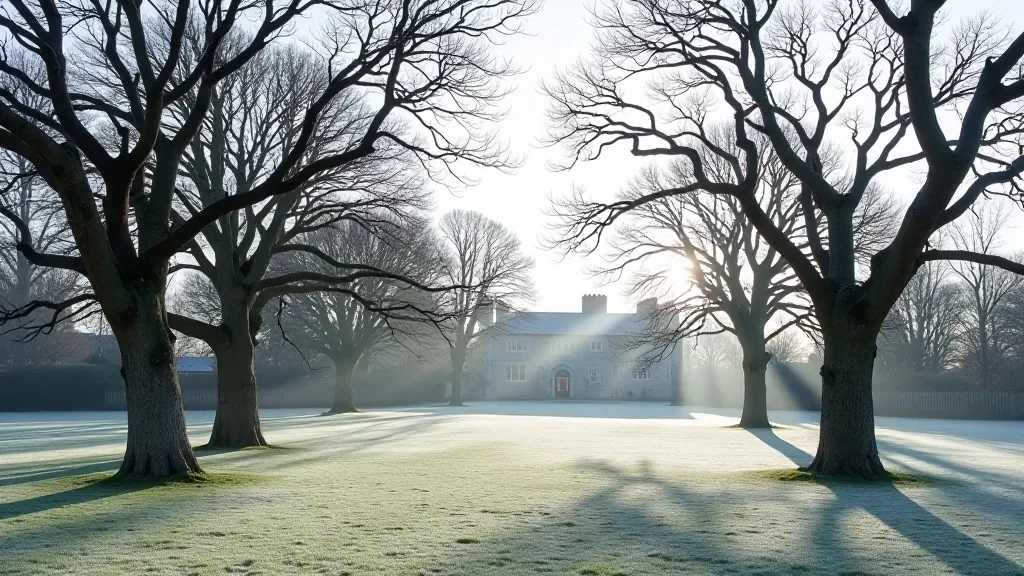
December through February is when the demesne reveals something you don't see other seasons — the actual structure underneath. With leaves gone, you notice the bones of the landscape. Tree shapes become sculptural. The architectural features — stone walls, ornamental buildings, the castle itself — become focal points rather than background. It's quieter. Less crowded. More contemplative.
Winter interest plants come into their own. Evergreen specimens that blended in during growing season suddenly stand out. Holly trees with their red berries provide color. Winter-flowering plants like winter jasmine and hellebores still flower. Frost transforms the place on cold mornings. Grass becomes silvery white. Spiderwebs turn into jewelry. The light's low and clear — on sunny winter days, the visibility's better than summer.
Walking's actually easier in winter. It's cooler, so you're not fighting heat. The ground's firm. The air's crisp. You might encounter frost or even light snow, which transforms everything temporarily. Winter's also when maintenance becomes visible — you'll notice hedges being trimmed, dead wood cleared, preparations being made for spring. It's a working garden in winter, not just a scenic one.
Related Walking Guides

Important Information
This guide is provided for informational purposes to help you plan visits to Birr Castle demesne. Garden conditions, seasonal timings, and plant flowering periods vary by year depending on weather patterns. The information presented represents typical seasonal changes based on historical observations. Always check current opening hours and any specific garden maintenance schedules before visiting. Weather conditions can affect walking comfort and safety — appropriate footwear and clothing are recommended for all seasons.
Plan Your Seasonal Visit
Each season offers something genuinely different at Birr Castle demesne. There's no "best" time to visit — it depends on what you want to see and experience. Spring's for flowers and color. Summer's for shade and quiet. Autumn's for that golden light and spectacular foliage. Winter's for peace and seeing the garden's structure clearly.
If you're planning to become a regular visitor, trying all four seasons gives you the full picture. You'll see how the same paths transform. You'll notice details that only appear at certain times. That's what keeps people coming back year after year. The demesne's genuinely worth revisiting across seasons.